
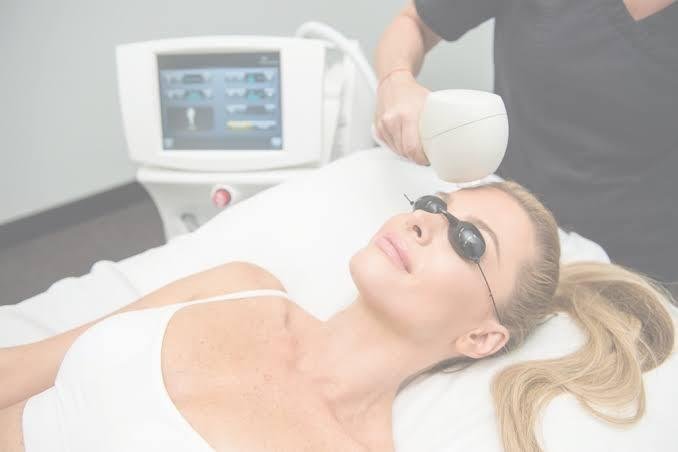
Dark patches, stubborn spots and an uneven skin tone are some of the most common skin concerns, and looking into pigmentation treatment Perth clinics offer is rarely about vanity alone. Most people simply want their skin to look like theirs again.
Skin pigmentation is the colour of your skin, produced by cells called melanocytes. When those cells make too much melanin in one area, darker patches appear. Perth's climate makes this more likely. Cancer Council WA's SunSmart toolkit notes that the average midday summer UV Index here is around 12, well above the level of 3 at which sun protection is recommended.
This guide explains the main types and causes of pigmentation, the professional options for facial pigmentation treatment in Perth, what a session involves and how to keep your results. If you'd like a tailored plan, our pigmentation treatment service is a good place to start.
This article is general information, not a diagnosis. Any new, changing or unusual spot should be checked by a GP or dermatologist first, because Western Australia has among the highest skin cancer rates in the country.
What Is Skin Pigmentation?
Melanocytes sit in the deepest layer of the epidermis and produce melanin, the pigment that gives skin, hair and eyes their colour. Melanin also acts as a natural, partial shield against UV radiation.
Problems start when melanocytes become overactive. Triggers such as UV light, hormones or inflammation tell them to produce more melanin, and it collects in one area. The result is hyperpigmentation: patches that look darker than the skin around them. Where the extra pigment sits matters too. Shallow (epidermal) pigment generally responds more readily to treatment than pigment sitting deeper in the dermis.
Common Types of Skin Pigmentation
Not all dark marks are the same, and the right treatment depends on which type you have.
- Melasma: Symmetrical brown or grey-brown patches, usually on the cheeks, forehead and upper lip. According to the Australasian College of Dermatologists, it is more common in women and people with darker skin types, and it often worsens in summer.
- Sunspots and age spots (solar lentigines): Flat, well-defined brown spots caused by repeated UV exposure over the years. They typically show up on the face, hands and shoulders.
- Post-inflammatory hyperpigmentation (PIH): Darker marks left behind after acne, eczema, a burn or an injury, as the skin produces extra melanin while it heals.
- Freckles: Small, light brown spots that tend to darken with sun exposure and fade in winter. They are harmless but can be treated cosmetically.
- Uneven skin tone: A general blotchiness or dullness, often a mix of the above types plus cumulative sun damage.
Many people have more than one type at once, which is why a professional assessment matters before choosing treatment. That is especially true for dark spot treatment in Perth, where one mark could be a sunspot, post-inflammatory pigment or a mix of both.
What Causes Skin Pigmentation?
Pigmentation usually has more than one driver:
- Sun exposure and UV radiation: The biggest factor for sunspots, and an aggravator for almost every other type. Even small amounts of sun can darken melasma that has faded.
- Hormonal changes: Pregnancy, the oral contraceptive pill and hormone therapy are common melasma triggers.
- Acne and skin inflammation: Breakouts, irritation and injuries can leave PIH behind, particularly in medium to deeper skin tones.
- Ageing: Years of cumulative sun exposure show up as age spots, and skin becomes less efficient at evening out pigment.
- Genetics: A family history of melasma and your natural skin type both influence how readily you pigment.
- Medications and skin conditions: Some medicines can make skin more sun-sensitive or cause discolouration. Check with your doctor or pharmacist if you suspect this.
Best Pigmentation Treatment Options in Perth
There is no single best skin pigmentation treatment in Perth that suits everyone. The right option depends on the type of pigment, its depth and your skin type, and not every treatment suits every condition. The options below are cosmetic and medical treatments commonly offered by qualified providers. Our laser skin treatment and chemical peel pages explain the options we offer in more detail.
1. Laser pigmentation treatment
Lasers deliver focused light that is absorbed by melanin, breaking pigment into fragments the body clears away. Laser pigmentation treatment Perth providers offer suits well-defined spots such as sunspots. Possible downsides include temporary redness, flaking and, in some people, post-inflammatory darkening or lighter patches. Skin of colour carries a higher risk, so settings must be conservative. Melasma treatment in Perth needs particular caution, because heat can worsen it, and the Australasian College of Dermatologists advises that a small test patch is done first. Downtime ranges from a few hours of redness to about a week.
2. IPL (Intense Pulsed Light)
IPL uses broad-spectrum light rather than a single wavelength. It is often used for sunspots, freckles and mixed redness and pigment, making it a common choice for sun spot treatment in Perth. The American Society for Dermatologic Surgery notes that benefits are typically seen after a course of three to six treatments a few weeks apart, with roughly a week of downtime. It is generally less suited to darker skin tones or recent tans.
3. Chemical peels
Peels apply acids to exfoliate the upper layers of skin so fresher, more evenly coloured skin can emerge. Superficial peels suit mild pigmentation, dullness and some PIH. Expect a few days of flaking. Deeper peels carry more risk and downtime, and results are gradual across a course.
4. Microneedling
Fine needles create tiny channels in the skin, which stimulates repair and may help brightening ingredients absorb better. It can suit mild uneven tone and texture, and is usually combined with other treatments. Redness for a day or two is typical.
5. Prescription topical treatments
Medical hyperpigmentation treatment in Perth often starts here: a doctor or dermatologist may prescribe ingredients such as hydroquinone, tretinoin or azelaic acid, which reduce pigment production or speed cell turnover. The Australasian College of Dermatologists notes that these can irritate the skin, so they are used under supervision, and hydroquinone only for limited periods. Results take weeks to months.
6. Medical-grade skincare
Products with ingredients like vitamin C, niacinamide and gentle retinoids support other treatments and help maintain results. They are cosmetic, work gradually and have no downtime, but they will not usually clear stubborn deeper pigment on their own.
How to Choose the Right Pigmentation Treatment
A few questions will narrow your options quickly.
- Skin type and concern: Melasma, sunspots and PIH respond differently, and deeper skin tones need more conservative settings to avoid new pigment.
- Professional skin assessment: Ask for a proper assessment, ideally including a check of any spots that look unusual, before treatment starts.
- Suitability, risks and recovery: A good practitioner explains what is realistic, the side effects that apply to you and how much downtime to plan for.
- Qualifications and experience: Ask who performs the treatment, their training and how often they treat your type of pigmentation. Be wary of any pigmentation removal Perth clinic promising guaranteed or permanent results.
What to Expect During a Pigmentation Treatment Session
Most clinics follow a similar pathway:
- Initial consultation: You discuss your history, medications, sun habits and goals. Honest expectations are set here.
- Skin assessment: Your practitioner examines the pigment type and depth, and may use a magnifying or specialised skin-analysis device.
- Preparation: You may be asked to avoid tanning and use prescribed skincare beforehand. Your skin is cleansed, and a test patch may be done.
- Procedure: Sensations are commonly described as a flick or warm pinprick for light-based treatments, or tingling for peels. Sessions usually run from 20 to 60 minutes.
- Aftercare instructions: You receive written guidance on sunscreen, skincare and what to avoid.
- Follow-up: Most pigmentation needs a course, so review appointments let your practitioner adjust the plan.
How Much Does Pigmentation Treatment Cost in Perth?
Prices vary widely, so we don't publish a single figure here. The main factors are:
- Type of treatment: A peel, laser course and prescription plan are priced very differently.
- Treatment area: Treating a few spots costs less than the full face, neck or hands.
- Number of sessions: Most concerns need a course rather than a single visit.
- Clinic and practitioner experience: Medical-led clinics and highly experienced practitioners often charge more.
- Your skin's needs: Deeper or mixed pigmentation may need combination therapy and extra follow-up.
The most reliable approach is to book a consultation and ask for a personalised, written quote that covers the full recommended course and any skincare.
Pigmentation Treatment Aftercare: How to Maintain Results
What you do afterwards matters as much as the treatment itself. Freshly treated skin is more sensitive to UV, and unprotected sun can bring pigment straight back.
- Wear broad-spectrum SPF 50+ every day. Cancer Council recommends SPF 50 or 50+, broad-spectrum and water-resistant, reapplied at least every two hours outdoors.
- Avoid excessive sun. Skip tanning, seek shade and wear a broad-brimmed hat and sunglasses.
- Follow your practitioner's instructions. That includes any prescribed creams and how long to avoid activities such as saunas or heavy exercise.
- Keep your routine gentle. Use a mild cleanser and a good moisturiser.
- Avoid harsh exfoliation (scrubs, strong acids, hair-removal products on the area) while skin recovers.
- Attend follow-ups. Reviews let your practitioner check progress and catch any side effects early.
How to Prevent Skin Pigmentation from Returning
Pigmentation can return if its triggers do, so prevention is an everyday habit in a sunny city like Perth.
- Check the UV Index. Use the Bureau of Meteorology's Perth forecast or the SunSmart app, and use all five sun protection steps whenever it is 3 or above, which is most of the year in WA.
- Protect your skin on cloudy and winter days. UV is not the same as heat, as Cancer Council WA points out.
- Apply enough sunscreen. A thin layer or occasional use gives much less protection than the label suggests.
- Treat acne and irritation early to reduce post-inflammatory marks, and avoid picking.
- Review hormone-related triggers with your doctor if you have melasma, without stopping any medication on your own.
- Keep up maintenance skincare as recommended by your practitioner.
Frequently Asked Questions About Pigmentation Treatment Perth
1. What is the best treatment for skin pigmentation in Perth? There isn't one. The best choice depends on your pigmentation type, depth and skin type, which is why a professional assessment comes first.
2. Does laser pigmentation treatment work? It can work well for suitable concerns such as sunspots, but results vary and it is not ideal for every condition. Melasma in particular needs a cautious approach.
3. How many sessions are needed to treat pigmentation? It depends on the treatment and concern. Light-based treatments are often delivered as a course of several sessions spaced a few weeks apart, and your practitioner will advise on yours.
4. Is pigmentation treatment painful? Most people describe mild discomfort, such as a snap or warm sting, rather than significant pain. Your practitioner can discuss comfort options before you start.
5. Can pigmentation come back after treatment? Yes. Melasma in particular cannot be completely cured and can return with sun exposure or hormonal triggers. Daily sun protection and maintenance lower the risk.
6. How long does it take to see results? Some people notice changes within weeks, but a full course and gradual fading often take several months.
7. Is laser treatment suitable for all skin types? No. Medium to deeper skin tones have a higher risk of side effects such as new darkening, so settings, device choice and practitioner experience matter greatly.
8. What is the difference between melasma and sunspots? Melasma forms larger, symmetrical patches linked to hormones as well as sun. Sunspots are smaller, well-defined spots from cumulative UV exposure. They are treated differently.
9. How can I prevent pigmentation from returning? Protect your skin daily with SPF 50+, a hat and shade, treat acne early and keep to your aftercare plan.
10. How much does pigmentation treatment cost in Perth? It depends on the treatment, area, number of sessions and clinic. Ask for a personalised written quote after your consultation.
Conclusion
Pigmentation usually comes from a mix of UV exposure, hormones, inflammation, ageing and genetics, and each type needs a different approach. Laser, IPL, peels, microneedling, prescription treatments and medical-grade skincare all have a place, but none suits everyone, and none can promise permanent results.
If you're considering pigmentation treatment Perth providers offer, start with a professional assessment from a qualified skin practitioner. You'll get a plan matched to your skin, realistic expectations and a clear idea of aftercare and cost. Book a skin consultation to take the first step, and keep your SPF 50+ handy: it is the most important part of any treatment plan.